Critical & Battery Metals
The metals in high-strength steel, electronics and energy storage, which the world needs far more of.

NewRand Resources is a South African mineral exploration company. We combine satellite science, the national geological record and careful fieldwork, and we work hand in hand with the communities on the ground.
From batteries and wind turbines to steel and electronics, the energy transition runs on metals South Africa can supply.
The metals in high-strength steel, electronics and energy storage, which the world needs far more of.
The elements behind the magnets in electric motors and wind turbines.
Precious metals and the industrial minerals that modern manufacturing depends on.
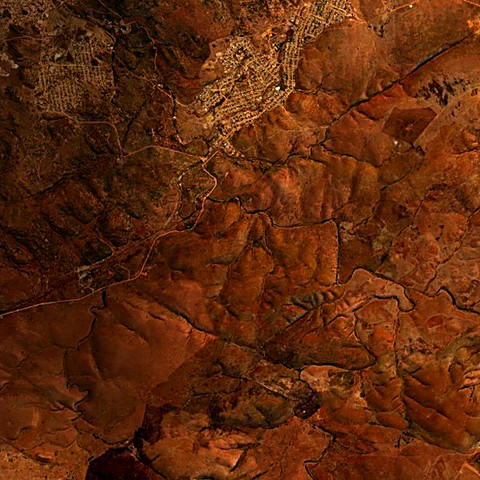
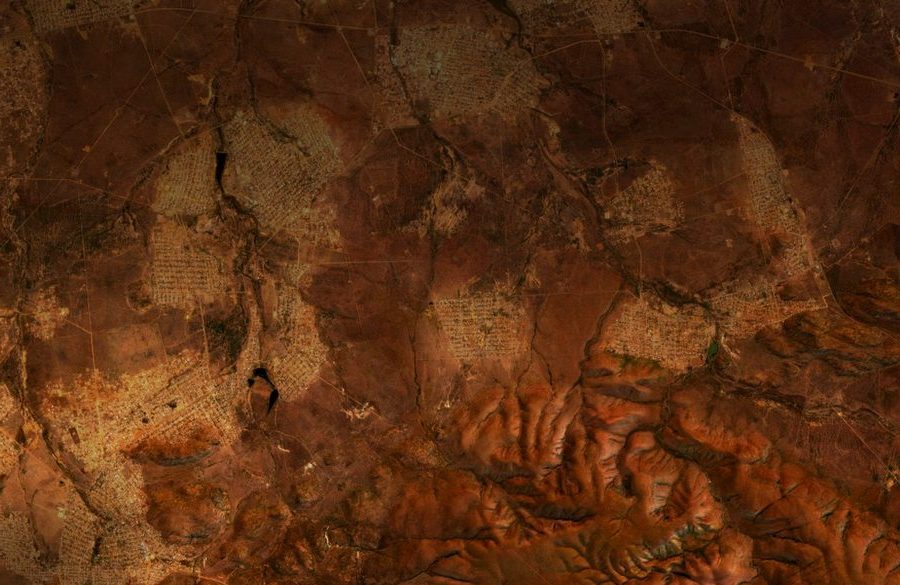
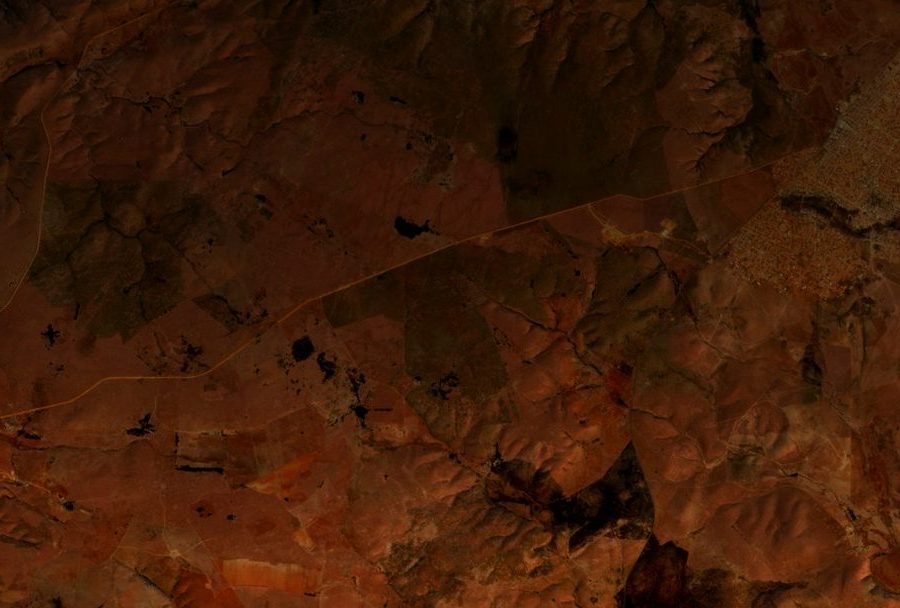
Satellite, radar and mineral-mapping imagery, read alongside the national geological record, to rank where to look first.
Geological mapping, soil and rock sampling with the consent of landowners and communities, tested by accredited laboratories.
Targeted drilling on the strongest results, reported openly and to the standards of the SAMREC Code.
Principles We Work By
“Blank on a map does not mean empty. It usually means no one has looked properly yet. Our job is to look carefully, and to report honestly what we find.”
Chief Executive Officer
We are a South African mineral exploration company. We look for the critical and battery metals, rare earths and other minerals the energy transition needs.
In South Africa. We share the details of any area with its landowners, communities and the regulator through the formal statutory process.
To the standards of the SAMREC Code, through a competent person, and only once results have been properly tested.
Prospecting in South Africa is regulated by the Department of Mineral and Petroleum Resources, with environmental authorisation and public consultation required before work begins.
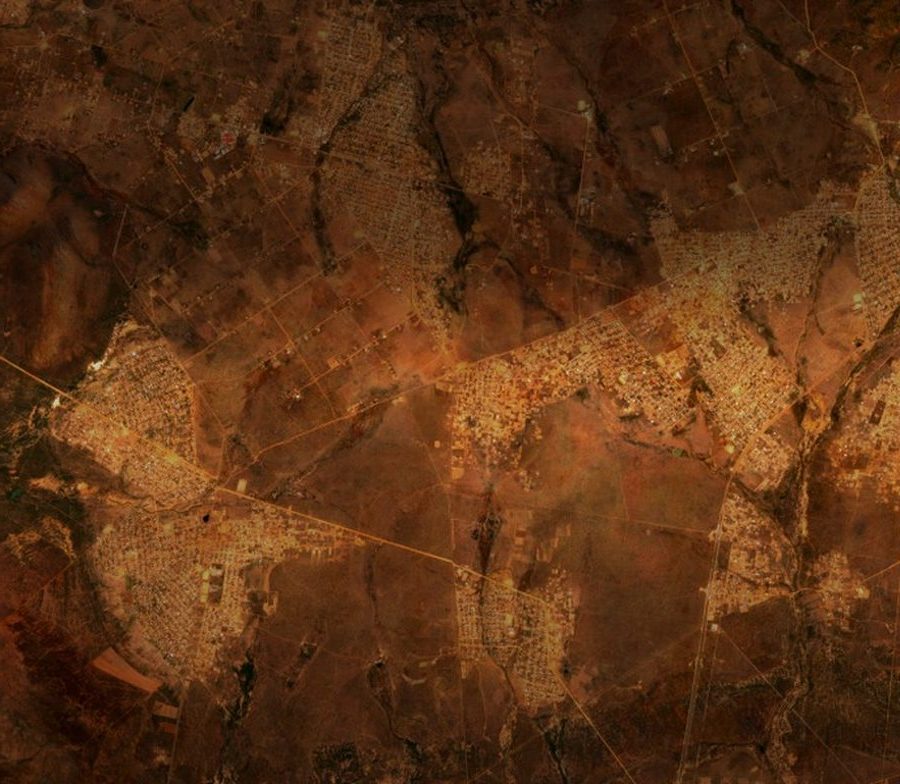
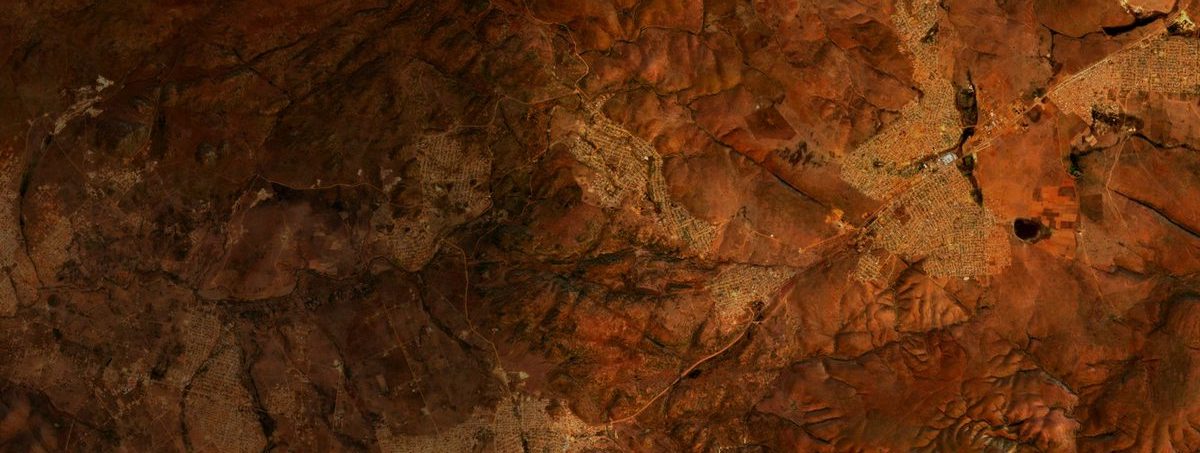
Satellites and radar let us read rock and structure across large areas before a single footstep, so fieldwork goes where it matters.
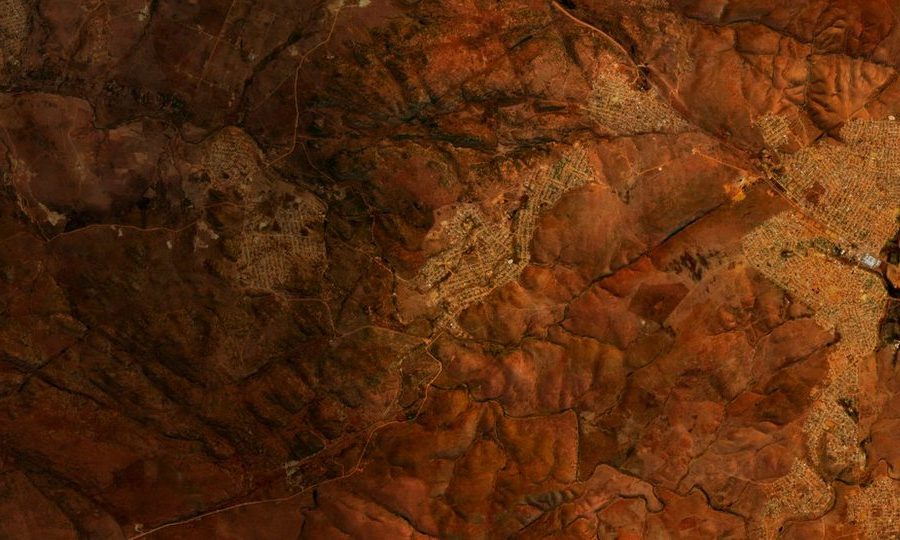
Before any work on the ground, landowners and communities are consulted through a formal, independent process.

Why we only talk about results once they are tested, and how the SAMREC Code protects everyone who relies on them.